

Hot Take: Please Don't Let AI Take Your Product Photos

BY CARA LOFFREDO
BOSTON WOMEN’S MARKET
Here's something that may be an unpopular opinion: if you make it by hand, in small batches, or to order, don't let AI generate the photos that sell it.
We know professional photography isn't in every budget, and we get it. But when your product's whole value is that a real person made it, an AI-smoothed photo doesn't just misrepresent it, it undersells it. Here's why, and how to get great photos without a studio.
Over the past year, I’ve seen a huge increase in the use of AI generated product photography. I get why it's tempting. And I’m not pretending that I myself don’t take advantage of all the really cool and fun AI tools Canva has to offer. AI image tools are fast, free-ish, and they make everything look like it belongs in a catalog.
But that's exactly the problem. What you sell isn't catalog-perfect. It's handmade. It's small batch. It's often made-to-order, one at a time, by someone who can tell you exactly which materials went into it. That imperfection is the product. It's proof a person made this. If we keep slapping an AI-smoothed image over that, and you're not upgrading your photo. You're erasing the thing your customer is actually paying for.
We See You, and We Get It
This isn't a dig at anyone who's used AI images out of necessity. I personally know how much professional product photography costs, and not everyone has a lighting kit, a spare bedroom to shoot in, or the confidence to be in front of (or behind) a camera. But there are some real things on the line you should consider:
Shoppers Are Smart!
The numbers back this up. Shoppers today are more AI-literate than most sellers assume, and they're paying attention:
(Ps. I had Claude pull these stats. I’m not going to pretend …)
63% of shoppers say inconsistent or slightly-off AI imagery is a red flag for an unreliable seller. (Deep-Image.ai, 2026)
31% of consumers say visibly AI-generated marketing content makes them trust a brand less — only 7% say it makes them trust a brand more. (eMarketer / Klaviyo & Datalily, 2026)
85% of consumers say they'd pay more for a brand they consider authentic. (eMarketer / Emplifi, 2026) Younger shoppers are especially sharp-eyed:
73% of shoppers aged 18–29 believe they can identify AI-generated content on sight. (Bizrate Insights, 2026)

Here is an example image I took with an iPhone 12 of a pair of beaded hoop earrings. I asked a friend to model them. You can see the accurate proportion of the hoops when worn.
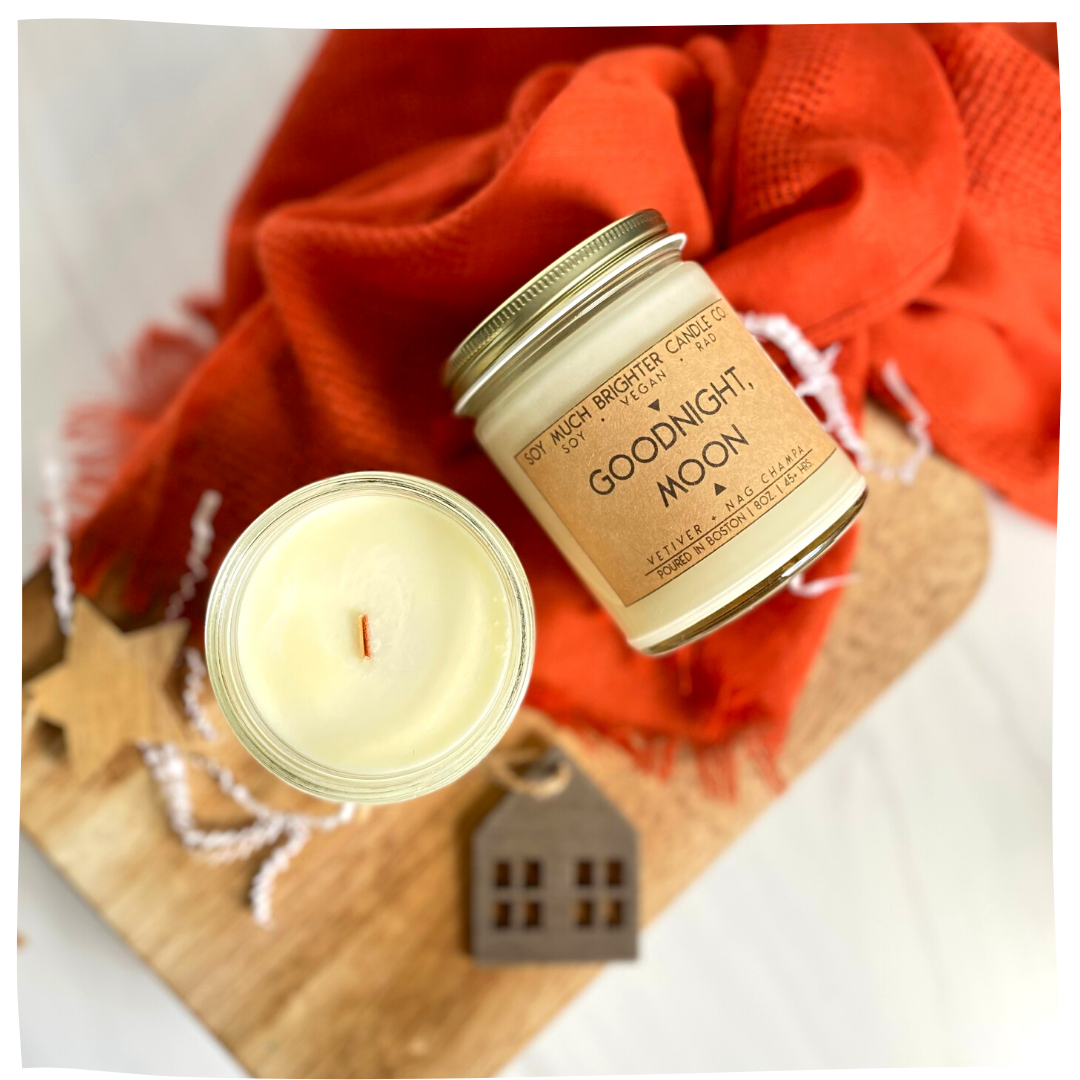
Here is an example image I took with an iPhone 12 of a Candle. I used a photo board from Replica Surfaces, a cutting board and a scarf I had around.
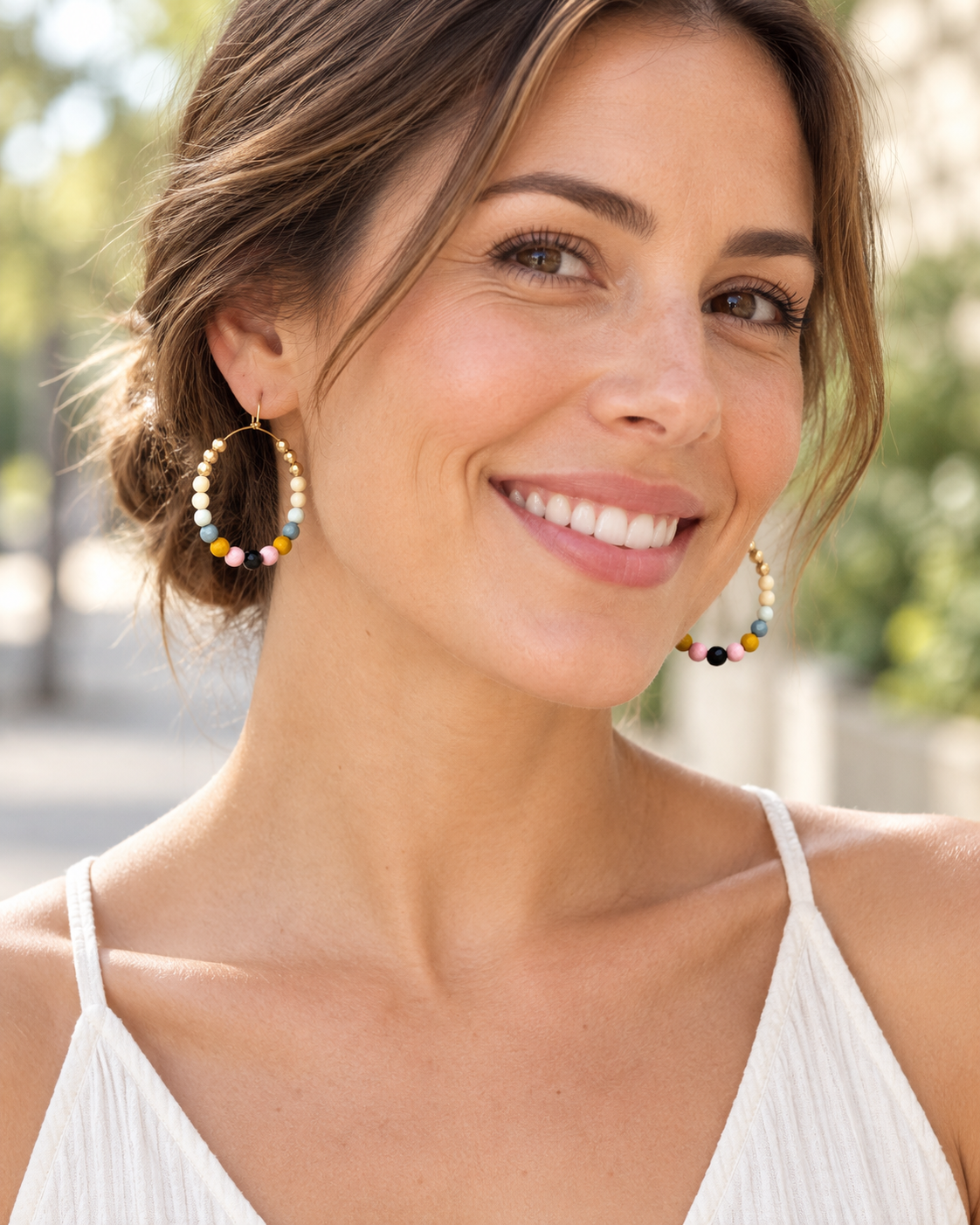
Here is an AI-generated product image. The earrings are not the correct size or color. Yes, she’s very pretty, but she’s too perfect.
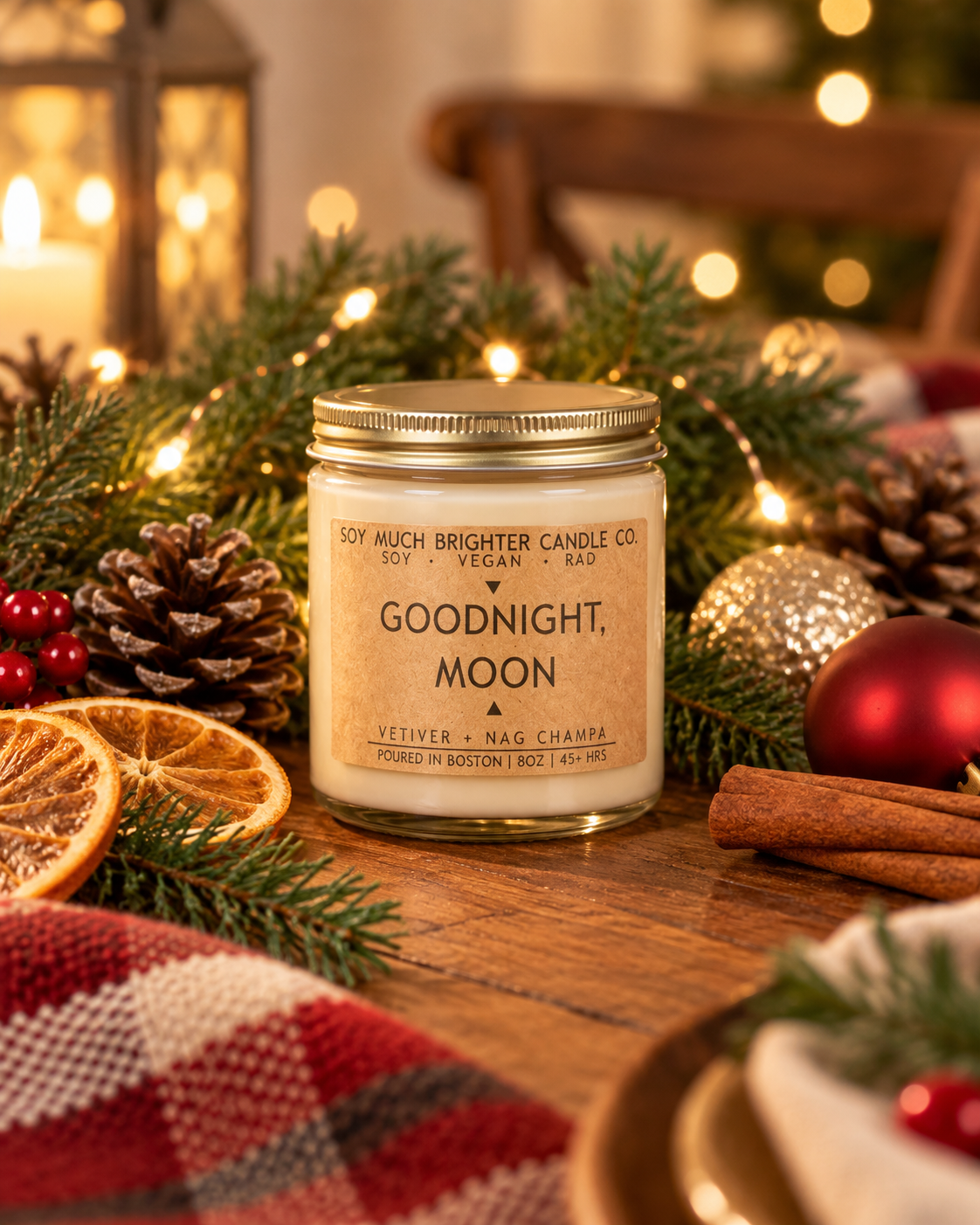
Here is an AI-generated product image. While it’s festive, a savvy customer will know this is not a real scene.
Translation: your customers aren't just browsing. They're evaluating. And for handmade sellers, authenticity isn't a nice-to-have, it's our EVERYTHING.
If you are going to use AI to generate your product photos, at least keep it clean and simple. Keep the focus on accuracy of the product.
The Tips: Great Product Photos, No Studio Required
You don't need a professional setup. You need light, a clean background, and a few tricks.
Shoot near a window, not under a lightbulb. Soft, indirect daylight (late morning or a couple hours before sunset) is the single biggest upgrade you can make. Avoid direct sun — it creates harsh shadows. Overcast days are basically free professional lighting.
Use a plain, uncluttered background. A poster board, a clean wall, a stretch of countertop, or even a bedsheet works — but if you want something more consistent, affordable backdrop tools are an easy upgrade:
Double-sided paper backdrop kit, ~7–12 patterns — great for flat lays of jewelry, candles, or food.
Portable LED lightbox / photo tent (10"–12") — folds flat, comes with several backdrop colors, and gives you even, shadow-free light for small items.
Amazon Basics Portable Photo Studio Box — a step up in size, good if you sell mid-size items like bags or home goods.
Shoot at eye level with the product, not down at it. Get your camera low and level unless you're specifically doing a flat-lay, it makes items look more real and less like a snapshot.
Steady your shot. Prop your phone against a stack of books, use a small tripod, or brace your elbows on a table. Even a slight wobble shows up as blur.
Show scale and texture. Include a hand modeling jewelry, a coin or common object for size reference, or a close-up that shows the weave, grain, or stitching. This is exactly the kind of detail AI can't replicate, and exactly what builds trust.
Take more photos than you think you need. Shoot the same setup from a few angles and distances. You'll thank yourself when you're picking the best one later.
Edit lightly, not heavily. Free tools like Snapseed or the built-in editor on your phone can brighten and straighten a photo. The goal is a true-to-life representation, not a filtered version of reality.
To Sum Up My Hot Take …
Your product doesn't need to look perfect. It needs to look real because real is what you're selling. A slightly imperfect photo of the actual item, in real light, will always build more trust than a flawless AI rendering that leaves a customer disappointed when the real thing arrives. Your customers can tell the difference. Let's give them something worth trusting.